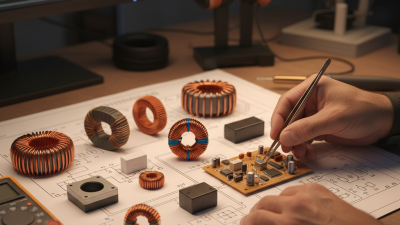
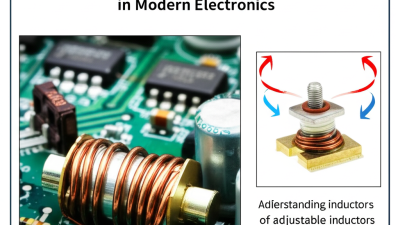
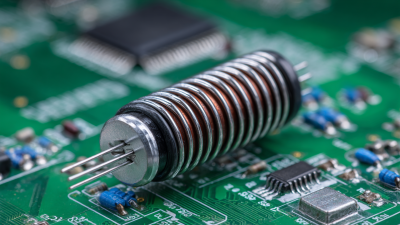
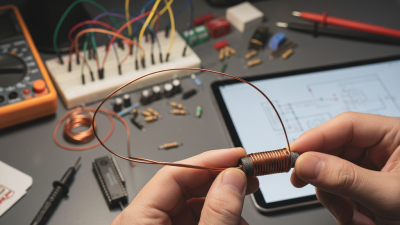
When you're into audio engineering, picking the right Audio Inductorcan really make a difference in how your sound turns out. I read somewhere from MarketsandMarkets that the market for audio components is expected to hit around $29.78 billion by 2026—that’s a pretty clear sign that folks are getting more into high-quality audio gear these days. So, it’s super important to choose the right Audio Inductor if you want your audio setups to perform at their best.
Now, even though inductors seem pretty straightforward at first glance, their specs can actually vary quite a bit. Things like inductance, saturation current, and DC resistance all play a role. If you don't pay close attention, you might end up with audio that just doesn't sound right or, worse, damage your equipment. Interestingly, a report from ResearchAndMarkets found that about 25% of problems with audio clarity come down to choosing the wrong parts—including inductors.
Honestly, the impact of an Audio Inductor on your system isn’t something to take lightly. A lot of people overlook some key details, which can lead to some pretty frustrating choices. Yeah, there are industry guidelines and all that, but each setup is kinda unique and requires a careful look at the specs before you buy. Taking the time to understand what you need can save you a lot of headaches down the road.
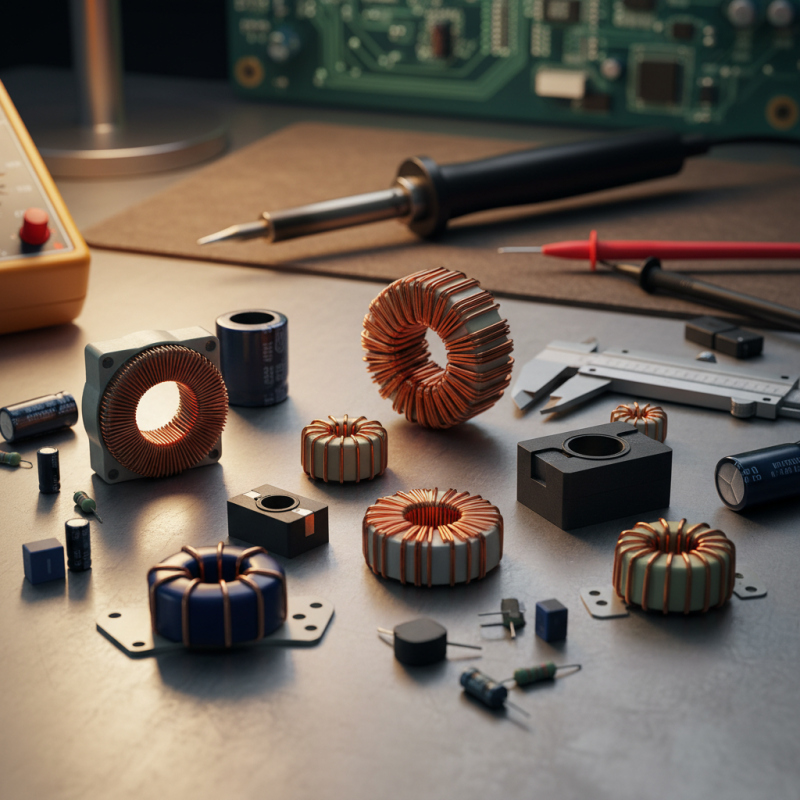
Understanding Audio Inductors: Definition and Key Functions
Audio Inductors play a crucial role in audio circuits, impacting sound quality. They store energy temporarily and release it when needed. This function helps in filtering signals. Audio Inductors can enhance low-frequency response, making them vital in speaker systems. Using the right inductor can significantly improve overall sound fidelity.
Understanding their key functions is essential. Inductors Can Choke unwanted high frequencies, ensuring clarity. They also contribute to impedance matching, allowing better power transfer. Size and resistance are factors to consider during selection. In the quest for optimal sound, each detail matters. Some might overlook the specs, but this can lead to poor audio performance.
Many audio enthusiasts face challenges in choosing the right inductor. It's easy to become overwhelmed by options. A common mistake is not considering the inductor's core material. Ferrite cores, for example, can offer different performance characteristics. Reflecting on these aspects can lead to informed decisions. A well-chosen Audio Inductor can greatly shape your listening experience.
Top 10 Tips for Choosing the Right Audio Inductor
| Tip Number | Tip | Description |
| 1 | Understand Inductance | Know the importance of inductance value in audio performance. |
| 2 | Consider Core Material | Select core materials that enhance magnetic performance and reduce distortion. |
| 3 | Check DC Resistance | Lower DC resistance improves overall efficiency and performance. |
| 4 | Examine Size and Form Factor | Size impacts installation and performance; choose accordingly. |
| 5 | Evaluate Frequency Response | Ensure it meets the frequency range required for audio applications. |
| 6 | Consider Power Rating | Select an inductor that can handle the desired power levels without overheating. |
| 7 | Look for Quality Construction | High-quality inductors ensure longevity and better sound quality. |
| 8 | Research Manufacturer Specifications | Understand the manufacturer's specs for reliability and performance insights. |
| 9 | Seek Expert Recommendations | Consult with audio professionals for the best choices. |
| 10 | Compare Prices and Warranties | Ensure you are getting value for your investment with good warranty terms. |
Importance of Inductor Specifications: Resistance, Inductance, and Quality Factor
When selecting an Audio Inductor,understanding specifications is crucial. Resistance is a key factor that influences sound quality. A lower resistance in an inductor allows more current to flow, reducing losses. However, aiming for zero resistance is unrealistic. Many manufacturers suggest a target resistance of 0.1 to 0.5 ohms for optimal performance. The challenge lies in striking a balance between efficiency and sound fidelity.
Inductance values also play a significant role in audio applications. Typical ranges for Audio Inductors can be found between1 µH to 1000 µH, depending on the desired frequency response. For instance, an inductor with a higher inductance value tends to provide better low-frequency performance, while lower values excel in high-frequency applications. Yet, choosing an incorrect inductance can lead to phase issues and unwanted distortions, often overlooked by designers.
The Quality Factor (Q) is another vital aspect that reflects an inductor's performance. A higher Q indicates lower losses and better efficiency. However, achieving a high Q can lead to a narrower bandwidth. Many reports suggest that a Q value above 100is excellent for Audio Inductors. As designers delve into specifications, they must carefully analyze how resistance, inductance, and Q factor interconnect. This process is often iterative and may require multiple revisions to achieve the desired results.
Evaluating Core Materials: Ferrite vs. Iron Powder Options
When choosing an Audio Inductor, evaluating core materials is crucial. Ferrite and iron powder are two popular options, each with unique characteristics. Ferrite cores offer high magnetic permeability and reduced core losses. This makes them ideal for high-frequency applications where efficiency is vital. They are lightweight and can handle significant voltage fluctuations. However, they may saturate more quickly under heavy currents.
On the other hand, iron powder cores shine in low-frequency applications. They handle larger currents effectively and have better saturation characteristics. Their performance tends to decline at high frequencies, which can be a drawback. Consider the specific application and requirements. This involves weighing factors like frequency range, current capacity, and efficiency.
The choice between ferrite and iron powder also depends on cost and availability. While ferrite may provide better performance for compact circuits, iron powder could be more accessible for larger designs. Each material presents trade-offs. Testing different configurations and materials can lead to insightful discoveries about what works best for your needs.
Comparison of Core Materials in Audio Inductors
Determining the Appropriate Inductor Size and Form Factor
When selecting the appropriate size and form factor for Audio Inductors, several key considerations come into play. The inductor's application heavily influences its design parameters. For instance, an inductor intended for a low-frequency application may need to be larger to handle the current without saturating. Reports indicate that inductors for audio frequencies often require larger cores than those used in higher frequency applications. This is because larger sizes allow for greater inductance, which affects sound quality.
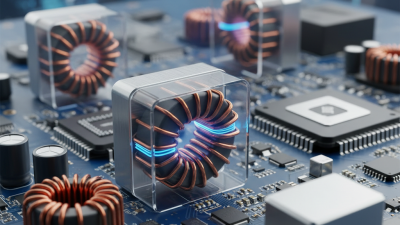
Form factor is another crucial aspect. Standard shapes, like toroidal or ferrite cores, can impact performance in Audio Transformers. Toroidal inductors tend to have lower electromagnetic interference, making them ideal for sensitive audio applications. A study from the Audio Engineering Society suggests that using the right form can enhance efficiency by up to 15%. However, over-engineering can lead to unnecessary costs and reduced space efficiency. Therefore, it’s essential to balance size and performance to avoid both overkill and underperformance.
Many engineers face challenges when specifying inductors. Misjudgments in size can lead to performance traps. If the inductor is too small, it might not handle the current levels needed, leading to distortion. On the other hand, overly large inductors can introduce unwanted weight and cost. Authenticating the right inductor size is crucial for ensuring the integrity of audio signal processing. Ultimately, selecting the right audio inductor based on size and form factor requires a mix of experience and analytical evaluation.
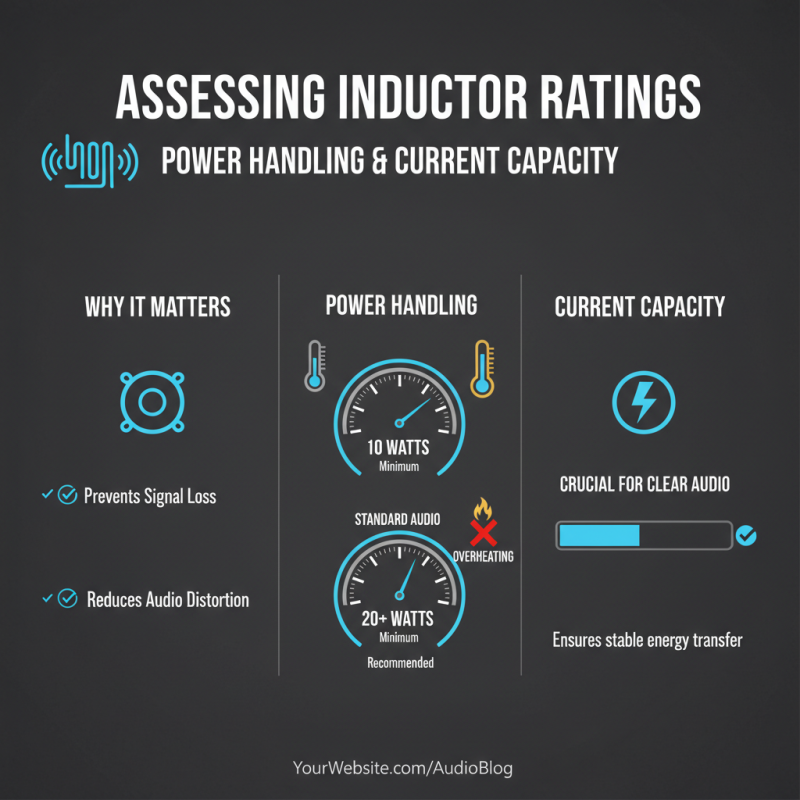
Assessing Inductor Ratings: Power Handling and Current Capacity
When selecting an inductor for your audio project, understanding its power handling and current capacity is crucial. Audio inductors must handle significant energy without overheating. A common threshold for many applications is a power rating of at least 10 watts. For higher-end audio systems, this rating can increase to 20 watts or more. Industry reports indicate that a well-rated inductor can prevent signal loss and distortion, ensuring clearer audio output.
Current capacity also plays a vital role in choosing an inductor. Inductors are usually rated in amperes, with many audio designs requiring at least 5 A capacity. Exceeding this limit may lead to thermal failure. For instance, a Low DC resistance rod choke inductor can offer enhanced current handling capabilities while reducing energy losses. Studies show that a lower DC resistance correlates with better efficiency. However, achieving this efficiency often presents design challenges that engineers must navigate.
It's essential to evaluate the inductor's specifications thoroughly. Performance can vary significantly among different types. Some inductors may excel in power handling but fall short in current capacity. Likewise, a component that looks ideal on paper may not perform well under real-world conditions. A careful examination of both power handling and current capacity ensures that the chosen inductor meets the demands of your audio system effectively.
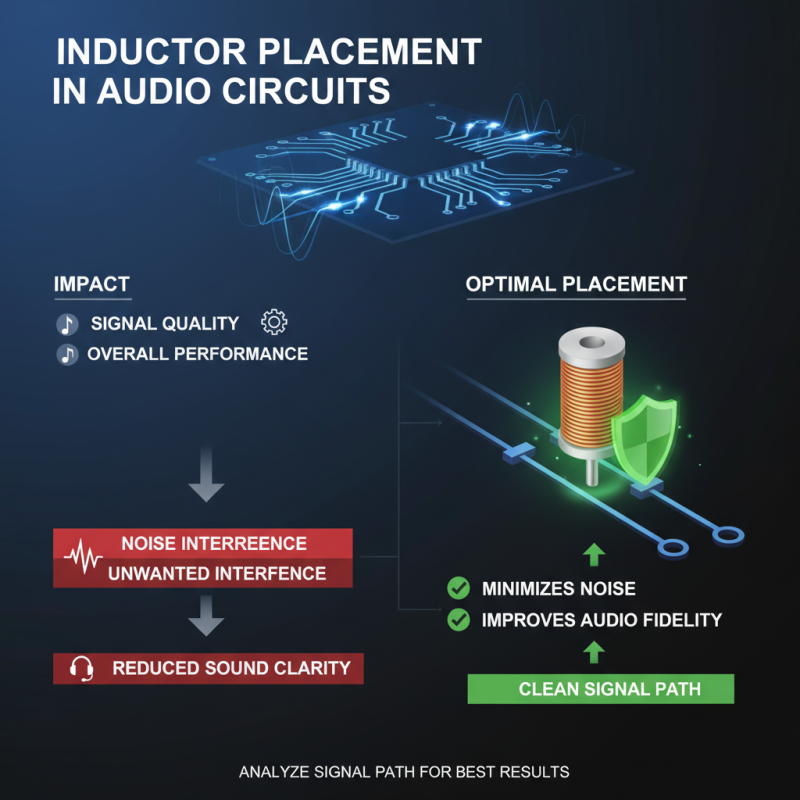
Analyzing the Impact of Inductor Placement in Audio Circuits
Inductor placement plays a crucial role in audio circuit design. It affects signal quality and overall performance. Positioning a Rod choke inductor for DC-DC converter systems can directly influence noise levels. Poor placement may lead to unwanted interference, reducing sound clarity. It is essential to analyze the path of audio signals.
Another factor to consider is the distance between inductors and other components. Too close can cause electromagnetic interference, while too far may lead to signal degradation. Optimal placement enhances circuit efficiency. Testing different configurations can yield surprising results. Users might find that what seems ideal at first can produce unexpected noise.
Attention to layout design is vital. Ensure ground planes are properly used. This reduces hum and interference in audio signals. Rigorously evaluate your design with simulations. Reflect on how your choices impact overall sound quality. A small adjustment in placement can sometimes create a significant difference in performance.
Exploring Manufacturer Reliability and Industry Standards for Quality Assurance
When selecting an audio inductor, the reliability of the manufacturer is crucial. A trustworthy supplier can significantly impact the quality of your final product. Researching industry standards is essential. Look for certifications that ensure compliance with established practices. Quality assurance can distinguish reputable manufacturers from those that cut corners.
Not all manufacturers meet the same benchmarks. Some may claim industry compliance yet fail in testing or materials. Assess the manufacturer’s history and the feedback from previous clients. A solid reputation often correlates with consistent product performance. Pay attention to the types of inductors they specialize in, such as Ferrite rod choke inductors, as this can indicate their level of expertise.
It's also important to inquire about warranties and support offered post-purchase. Manufacturers that provide clear guidelines and responsive customer service demonstrate commitment to quality. Be wary of those that gloss over such details. Diligence in your research can help avoid pitfalls that might arise from low-quality components. The choice of an inductor influences not just sound quality but also the longevity of your audio device.
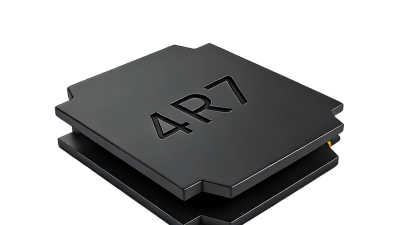
Optimizing Energy Efficiency with EPNR3015 Series Molding Power Inductors: A Comprehensive Guide
The EPNR3015 series molding power inductors are designed to address the increasing demand for energy efficiency in various electronic applications. With a remarkable operating temperature range of -55℃ to +125℃ and halogen-free, ROHS-compliant materials, these inductors are ideal for environmentally conscious designs. Their low profile and low DC resistance (DCR) ensure minimal power loss, which is critical in high-performance circuits where efficiency is paramount.
In the realm of voltage regulator modules (VRMs) for servers and DC switching power supply circuits, the EPNR3015 series excels due to its high current carrying capacity and magnetically shielded construction, which significantly reduces electromagnetic interference (EMI). This feature is particularly essential in applications like SSD modules and DC/DC converters for CPUs in notebooks, PCs, and PDAs, where stable power supply is required to maintain optimal performance.
Recent industry reports highlight that the shift towards energy-efficient components is accelerating, with power inductors playing a pivotal role. The frequency range of up to 5MHz allows these inductors to meet the rigorous demands of modern electronics, which often operate at higher frequencies to enhance performance while conserving energy. By optimizing energy efficiency through the use of these advanced inductors, manufacturers can ensure superior product functionality while contributing to broader sustainability goals.
FAQS
: The inductor's application and frequency determine its size. Low-frequency inductors typically need larger cores.
Standard shapes like toroidal cores reduce electromagnetic interference. This enhances performance in sensitive audio setups.
A small inductor may not handle necessary current, leading to distortion in audio output.
Yes, an oversized inductor can add unnecessary weight and cost without providing benefits.
Placement affects signal quality. Poor positioning can introduce interference and noise, reducing sound clarity.
Being too close causes interference; too far can degrade the signal. Optimal distance is essential for efficiency.
Use proper layout design and ground planes. Simulate designs to evaluate potential noise issues.
Yes, even minor changes in inductor placement can significantly impact overall audio performance.
Engineers often misjudge sizes, leading to performance traps in audio processing.
Selecting the right inductor requires a blend of experience and analytical evaluation for optimal sound quality.
Conclusion
Choosing the right audio inductor is essential for optimizing audio performance in various electronic applications. Understanding the definition and key functions of audio inductors is the first step, followed by a thorough evaluation of their specifications, including resistance, inductance, and quality factor. Selecting the appropriate core material, whether ferrite or iron powder, significantly influences performance, while the inductor's size and form factor must also be aligned with the circuit design.
Furthermore, assessing the inductor's ratings for power handling and current capacity is crucial for ensuring reliable operation. The placement of inductors within audio circuits affects overall functionality and sound quality, emphasizing the need for careful analysis in circuit design. Lastly, prioritizing manufacturer reliability and adhering to industry standards can provide additional quality assurance. By considering these factors, one can effectively choose an audio inductor that meets the requirements of their specific application.

 +86-15916242887
 CONTACT US